
Oral surgery is a common dental procedure that can range from wisdom tooth removal and dental implants to gum surgery and tooth extractions. While the surgery itself is important for addressing dental issues, the recovery period plays an equally significant role in achieving successful results. One of the most important aspects of recovery is choosing the right foods. Eating the wrong foods can irritate surgical sites, cause pain, delay healing, and even increase the risk of infection.
This is why understanding the best soft foods after oral surgery is essential. Soft foods provide the nutrition your body needs while minimizing pressure on sensitive areas of the mouth. They are easy to chew, swallow, and digest, helping you recover comfortably and efficiently. In this comprehensive guide, we will explore everything you need to know about soft foods after oral surgery, including recommended options, foods to avoid, nutritional considerations, and practical recovery tips.
Why Soft Foods Are Important After Oral Surgery
After oral surgery, your mouth needs time to heal. The tissues around the surgical site are often swollen, tender, and vulnerable to damage. Hard, crunchy, or chewy foods can disrupt blood clots, irritate wounds, and cause unnecessary discomfort. Soft foods help protect these sensitive areas by reducing the amount of chewing required.
Another reason soft foods are important is that they lower the risk of complications such as dry socket, which can occur when a blood clot becomes dislodged after a tooth extraction. Soft foods allow you to maintain adequate nutrition without placing stress on healing tissues. Proper nutrition is crucial because your body requires vitamins, minerals, protein, and energy to repair damaged tissues and fight potential infections. By choosing soft foods, patients can support faster recovery while avoiding unnecessary pain.
The First 24 Hours: What to Eat Immediately After Surgery
The first day following oral surgery is often the most critical phase of recovery. During this period, it is best to focus on liquids and extremely soft foods that require little to no chewing. Cold foods can be especially soothing because they help reduce swelling and numb discomfort.
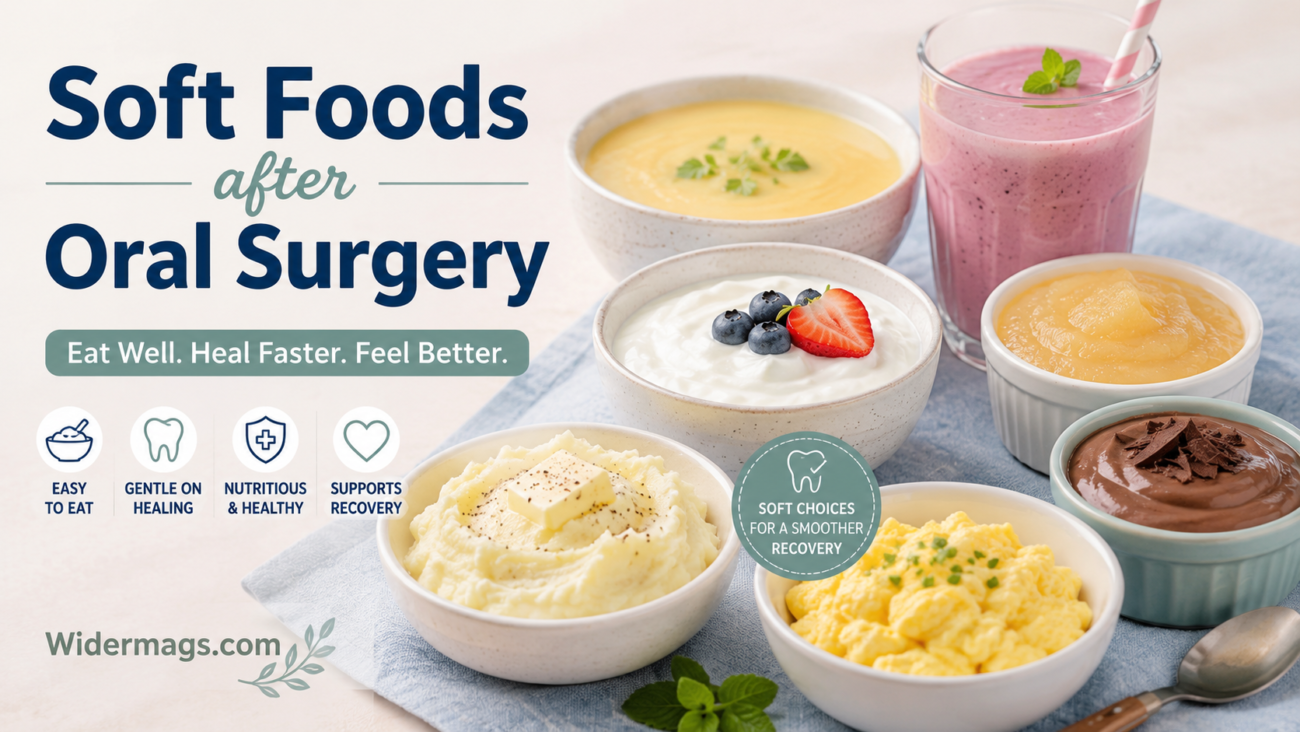
Popular choices include yogurt, applesauce, smoothies eaten with a spoon, pudding, gelatin, and ice cream. These foods provide comfort while being gentle on surgical sites. Broth-based soups are also excellent options because they offer hydration and nutrients without requiring significant chewing. However, patients should avoid drinking through straws, as the suction can dislodge blood clots and interfere with healing.
Hydration is equally important during this stage. Drinking plenty of water supports overall recovery and helps prevent dehydration, which can slow the healing process. Avoid hot beverages during the initial recovery period because excessive heat may increase swelling or irritation.
Best Protein-Rich Soft Foods After Oral Surgery
Protein is one of the most important nutrients for healing after surgery. It helps repair damaged tissues, supports immune function, and promotes faster recovery. Fortunately, there are many soft, protein-rich foods that can be easily incorporated into a post-surgery diet.
Greek yogurt is an excellent choice because it is smooth, easy to eat, and packed with protein. Scrambled eggs are another highly recommended option, as they are soft, nutritious, and versatile. Cottage cheese provides protein and calcium while remaining gentle on the mouth. Soft tofu is particularly beneficial for vegetarians seeking plant-based protein sources.
Protein shakes can also be useful, provided they are consumed without a straw. Blended with fruits and yogurt, they offer a convenient way to meet nutritional needs when chewing is uncomfortable. Soft fish such as salmon can be introduced later in the recovery process because it is rich in protein and omega-3 fatty acids, which may help reduce inflammation.
Nutritious Fruits and Vegetables That Are Easy to Eat
Fruits and vegetables contain vitamins, minerals, and antioxidants that support healing and strengthen the immune system. However, many raw fruits and vegetables are difficult to chew after oral surgery. Choosing softer alternatives can help patients enjoy the benefits of produce without discomfort.
Mashed bananas are one of the most popular options because they are naturally soft, nutritious, and easy to digest. Applesauce provides vitamin C and fiber while requiring no chewing. Avocados are rich in healthy fats and can be mashed into a creamy texture. Well-cooked vegetables such as carrots, squash, sweet potatoes, and zucchini become soft enough to eat comfortably.
Blended vegetable soups are another excellent way to increase nutrient intake. Pureed soups made from pumpkin, carrots, or potatoes provide essential vitamins while maintaining a smooth consistency. These options ensure patients receive valuable nutrients during recovery without compromising comfort.
Comforting Soft Meals for Recovery
As healing progresses, patients can gradually transition from liquids to more substantial meals. The key is choosing dishes that remain soft and easy to chew while providing balanced nutrition.
Mashed potatoes are a classic recovery food because they are filling, comforting, and simple to prepare. Oatmeal is another excellent choice that provides fiber and sustained energy. Soft pasta with mild sauces can be introduced after the initial recovery phase, offering a satisfying meal without excessive chewing.
Rice porridge, also known as congee, is popular in many cultures for its gentle texture and digestibility. Macaroni and cheese can also be suitable if prepared until very soft. Soft casseroles and well-cooked grains provide additional meal options that help patients feel more satisfied while supporting the healing process.
Including a variety of soft meals helps prevent dietary boredom and ensures a broader range of nutrients during recovery.
Dairy Products That Support Healing
Dairy products are often recommended after oral surgery because they are generally soft, nutrient-dense, and easy to consume. Many dairy foods provide protein and calcium, both of which are important for tissue repair and bone health.
Yogurt is one of the best options because it contains probiotics that may support digestive health during recovery. Cottage cheese offers a soft texture and high protein content. Milk can be consumed alone or used as a base for smoothies and nutritional drinks.
Pudding and custard provide comforting dessert options that require no chewing. Soft cheeses may also be suitable once initial tenderness begins to subside. However, individuals who are lactose intolerant should choose lactose-free alternatives or plant-based options that offer similar nutritional benefits.
Maintaining adequate calcium intake is particularly important for patients undergoing procedures that affect the jawbone or surrounding structures.
Foods to Avoid After Oral Surgery
While knowing what to eat is important, understanding what to avoid is equally critical. Certain foods can interfere with healing, increase discomfort, or lead to complications.
Crunchy foods such as chips, popcorn, nuts, and crackers should be avoided because they can irritate surgical sites and become lodged in wounds. Sticky foods like caramel and chewing gum may place excessive pressure on healing tissues. Spicy foods can cause irritation and discomfort, especially during the first few days after surgery.
Acidic foods such as citrus fruits and tomato-based products may sting sensitive areas. Hard foods like raw vegetables, tough meats, and crusty bread require extensive chewing and should be postponed until healing is more advanced.
Patients should also avoid alcohol and tobacco products because they can significantly delay recovery and increase the risk of complications. Following dietary restrictions carefully can greatly improve the healing experience.
Hydration and Recovery: Why Fluids Matter
Hydration is often overlooked during oral surgery recovery, yet it is one of the most important factors for healing. Water helps transport nutrients throughout the body, supports tissue repair, and prevents dehydration.
Patients should drink water regularly throughout the day, even if eating is difficult. Broths, herbal teas, and milk can also contribute to hydration. Smooth soups provide both fluids and nutrients, making them ideal recovery foods.
It is important to avoid carbonated beverages and sugary drinks during the early stages of recovery. These beverages may irritate surgical sites or contribute to discomfort. Sports drinks can be consumed occasionally if additional electrolytes are needed, but water should remain the primary source of hydration.
Remember to sip fluids carefully and avoid using straws, particularly during the first few days after surgery.
Sample Meal Plan Featuring Soft Foods After Oral Surgery
Having a meal plan can make recovery easier and reduce stress when deciding what to eat. A balanced day of soft foods might begin with Greek yogurt and mashed banana for breakfast. Mid-morning, applesauce or pudding can provide a convenient snack.
Lunch could consist of pureed vegetable soup and mashed potatoes. For an afternoon snack, a protein shake consumed without a straw offers valuable nutrients. Dinner may include scrambled eggs, soft avocado, and well-cooked vegetables.
Dessert options such as custard, gelatin, or ice cream can add variety while remaining gentle on healing tissues. This type of meal plan provides protein, vitamins, minerals, and calories needed for recovery while maintaining a comfortable texture.
Patients should adjust portion sizes and food selections based on their dentist’s recommendations and individual comfort levels.
Tips for Faster Healing After Oral Surgery
In addition to choosing the right soft foods after oral surgery, following healthy recovery practices can help speed healing. Rest is essential because the body needs energy to repair tissues. Patients should avoid strenuous activities during the first few days after surgery.
Good oral hygiene remains important, but brushing near surgical sites should be done carefully according to dental instructions. Saltwater rinses may be recommended after the first 24 hours to keep the mouth clean and reduce bacteria.
Pain medications and antibiotics should be taken exactly as prescribed. Maintaining a nutritious diet rich in protein, vitamins, and hydration can further support healing. Monitoring recovery progress and contacting a dentist if unusual symptoms occur is also crucial.
Combining proper nutrition with good self-care habits creates the best environment for a smooth and successful recovery.
Conclusion
Choosing the right soft foods after oral surgery can make a significant difference in comfort, healing speed, and overall recovery success. Soft foods help protect sensitive surgical sites while ensuring the body receives essential nutrients needed for tissue repair. From yogurt, scrambled eggs, and mashed potatoes to pureed soups, bananas, and smoothies, there are many delicious options available during recovery.
Avoiding hard, crunchy, spicy, and sticky foods is equally important to prevent complications and discomfort. Staying hydrated, consuming enough protein, and following your dentist’s instructions can further support the healing process. With a thoughtful approach to nutrition and recovery, patients can return to normal eating habits more comfortably and enjoy a smoother healing journey after oral surgery.
