
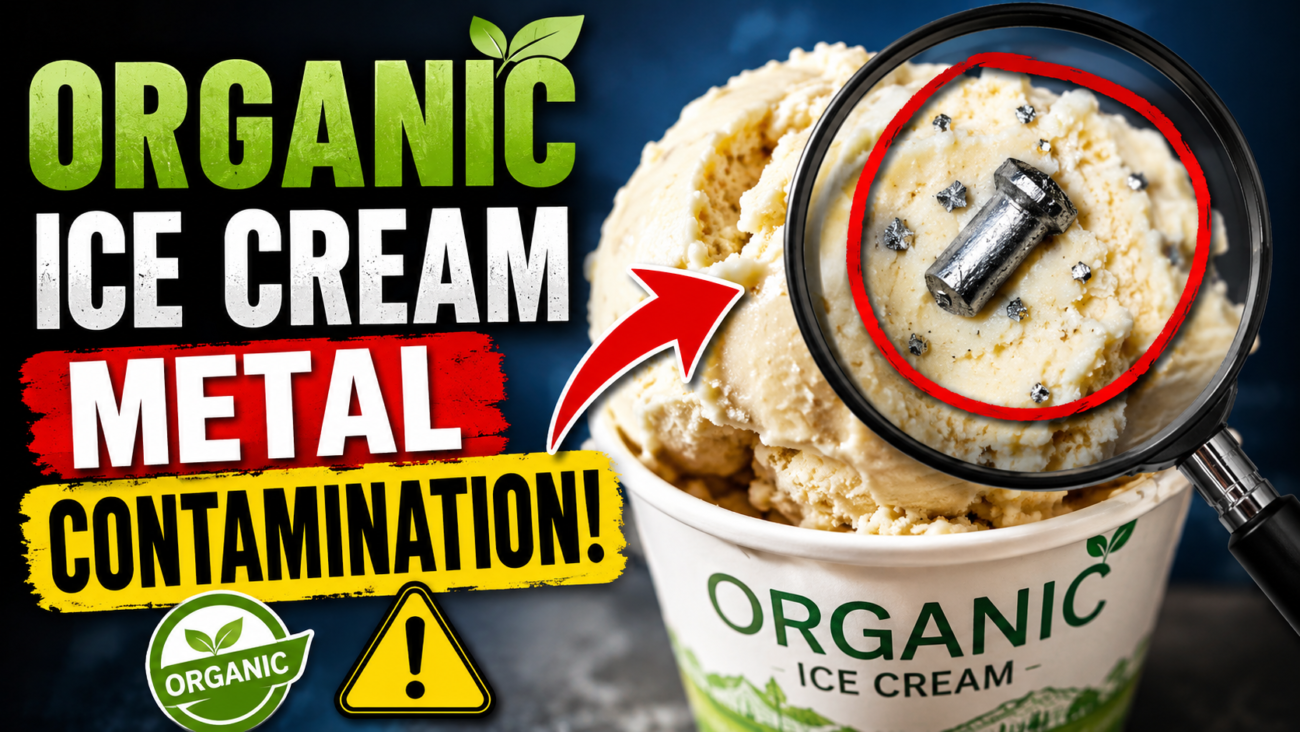
Organic ice cream has become a popular choice for consumers seeking natural ingredients, wholesome flavors, and a healthier alternative to conventional ice cream. However, the presence of metal contaminants in these products poses a significant concern for food safety. Metal contamination can occur at various stages of production, from sourcing raw ingredients to packaging. Understanding the risks, causes, and preventive measures is critical for both manufacturers and consumers to ensure safe consumption.
What Is Organic Ice Cream Metal Contamination?
Metal contamination in organic ice cream refers to the unintended presence of metallic particles in the product. These particles can include metals such as stainless steel fragments, aluminum shavings, copper, or other industrial metals. Contamination often arises from equipment wear, faulty machinery, or improper handling during production. Even small quantities of metal can pose health hazards, particularly if ingested over time.
Consumers expect organic products to adhere to higher safety and quality standards. When metal particles are detected in organic ice cream, it undermines trust in the product and raises concerns about the regulatory compliance of the manufacturer. Metal contamination is not only a health risk but also a liability issue for brands producing organic ice cream.
Common Sources of Metal Contamination in Ice Cream
Metal contamination in ice cream can occur from several sources. One of the most common origins is production machinery. Mixers, grinders, pasteurizers, and filling equipment are typically made of metal. Over time, friction or wear can release microscopic metal fragments into the ice cream. Poor maintenance or damaged equipment increases this risk significantly.
Another potential source is raw ingredients. Metal particles may enter through contaminated milk, cream, or other natural additives, especially if sourced from suppliers who do not adhere to strict quality control. Packaging materials, particularly metal containers or improperly coated tins, can also contribute to contamination if corroded or defective.
Health Risks Associated With Metal Contamination
Ingesting metal particles from contaminated ice cream can have serious health implications. Metals like lead, cadmium, and mercury are highly toxic, even at low exposure levels, and can cause long-term health problems including neurological damage, kidney impairment, and gastrointestinal issues. Even metals considered less toxic, such as aluminum or stainless steel fragments, can cause physical injury to the mouth, throat, or digestive tract.
Children and pregnant women are particularly vulnerable to metal contamination. The developing nervous system in children is highly sensitive to heavy metal exposure, which can affect growth, cognitive development, and overall health. Therefore, ensuring that organic ice cream is free from metal contaminants is essential for protecting the most sensitive consumers.
Regulatory Standards for Organic Ice Cream Safety
Regulatory authorities around the world have established strict guidelines to prevent contamination in food products. In the United States, the Food and Drug Administration (FDA) sets limits for metal contaminants in food, including specific standards for heavy metals. Organic certification bodies also require producers to maintain strict safety practices to comply with organic labeling standards.
Manufacturers must implement Good Manufacturing Practices (GMP) to reduce the risk of contamination. This includes regular equipment inspections, routine maintenance, metal detection systems, and supplier verification. Compliance with these regulations is critical not only for legal purposes but also to maintain consumer trust and brand reputation.
How Metal Detection Technology Helps
Modern metal detection technology is a key tool in preventing contamination in ice cream production. Metal detectors can identify and remove metal fragments from the product before it reaches the consumer. These systems are typically installed at critical control points along the production line, such as after mixing, before packaging, and at final inspection.
Advanced detection equipment can differentiate between types of metals and their size, ensuring that even microscopic contaminants are identified. Regular calibration and maintenance of these detectors are essential for accuracy. Investing in metal detection technology demonstrates a manufacturer’s commitment to food safety and product quality.
Best Practices for Manufacturers
To minimize the risk of metal contamination, manufacturers should adopt comprehensive safety protocols. Regular equipment maintenance is essential to prevent metal wear and tear. Staff training on handling machinery and raw materials safely can further reduce the risk of contamination.
Suppliers should be carefully vetted, with quality assurance audits and testing conducted on incoming ingredients. Packaging materials should be inspected for defects, and alternative non-metallic options should be considered where feasible. Implementing traceability systems helps identify contamination sources quickly and efficiently, allowing for timely corrective actions.
Consumer Awareness and Precautions
Consumers also play a role in ensuring safety when consuming organic ice cream. It is advisable to purchase ice cream from reputable brands that follow certified safety practices. Checking for organic certification labels, manufacturing dates, and batch numbers can provide assurance of quality control.
If any foreign particles are observed in a product, consumers should immediately report the issue to the manufacturer or regulatory authorities. Avoiding consumption of ice cream with visible contaminants is crucial, as even small metal fragments can cause injury or health complications.
Case Studies of Metal Contamination in Ice Cream
Several incidents highlight the importance of metal contamination prevention. Recalls of ice cream due to metal fragments have occurred in various countries, often linked to defective machinery or substandard raw materials. These cases serve as a warning to manufacturers and emphasize the need for vigilant monitoring and proactive safety measures.
For example, a notable recall involved metal shavings detected in a batch of premium organic ice cream, prompting immediate withdrawal from stores. The manufacturer implemented enhanced metal detection protocols and reinforced staff training to prevent future occurrences. Such measures are critical for maintaining consumer confidence in organic products.
Future Trends in Ice Cream Safety
The future of ice cream safety is moving toward more advanced preventive measures. Innovations such as automated metal detection, real-time monitoring systems, and robotic handling can significantly reduce contamination risks. Additionally, greater transparency in supply chains and improved traceability will allow both manufacturers and consumers to ensure higher product safety standards.
Emerging technologies, such as X-ray inspection and artificial intelligence-driven quality control, are becoming more accessible to mid-sized manufacturers. These innovations promise to elevate safety protocols beyond traditional methods, making metal contamination a rare occurrence in organic ice cream production.
Conclusion
Metal contamination in organic ice cream represents a serious challenge to food safety. By understanding the sources, health risks, and preventive strategies, manufacturers can ensure that their products remain safe, trustworthy, and enjoyable for consumers. Regular equipment maintenance, rigorous supplier verification, effective metal detection, and adherence to regulatory standards are critical for minimizing contamination risks.
Consumers can also contribute by choosing certified products and reporting any concerns to authorities. With continued vigilance, technological advancements, and a commitment to quality, the risk of metal contamination in organic ice cream can be significantly reduced, protecting both health and brand reputation.
