
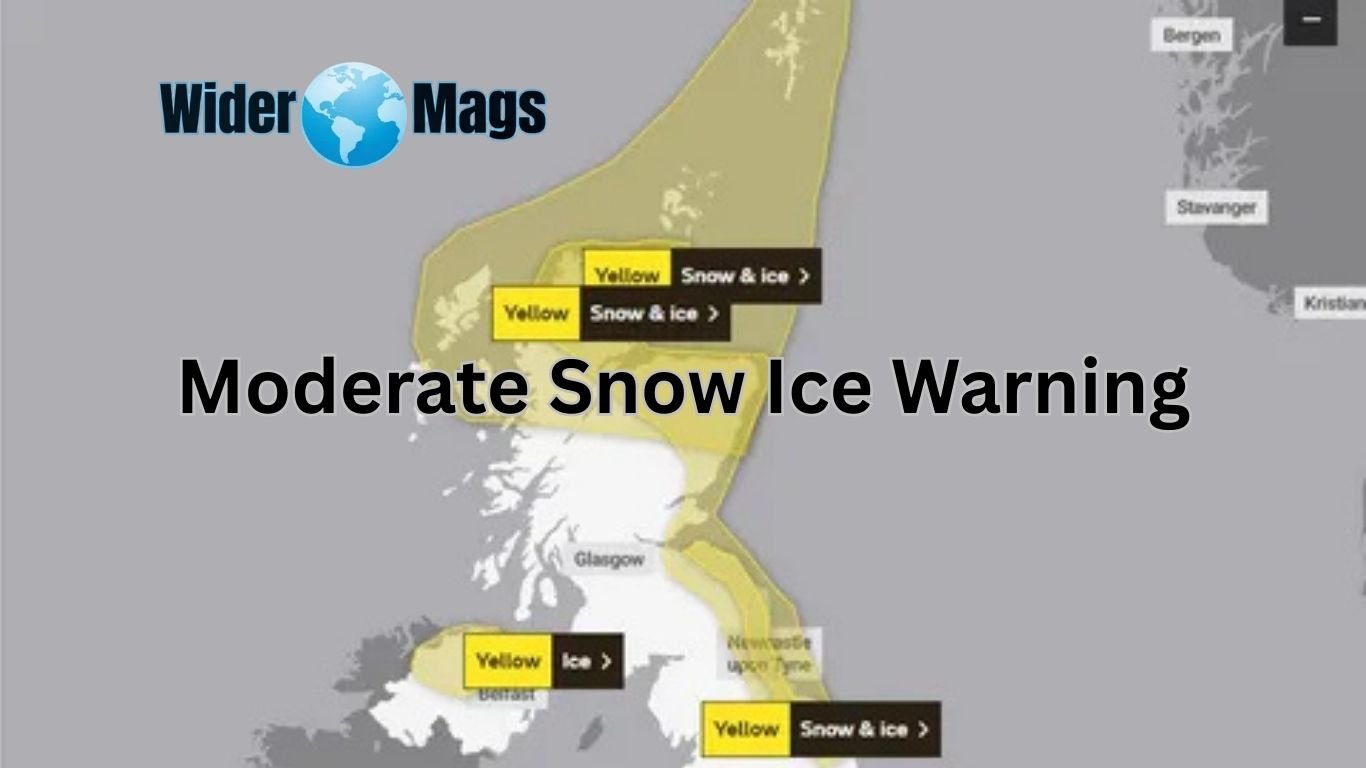
Introduction
A Moderate Snow Ice Warning is an important weather alert issued when snowfall combined with icy conditions is expected to create hazardous travel and public safety risks. These warnings are typically released by national meteorological departments to alert citizens, transportation authorities, and emergency services about potentially dangerous winter weather conditions.
During winter seasons, moderate snow and ice accumulation can disrupt daily life, damage infrastructure, and increase accident risks. Understanding what a Moderate Snow Ice Warning means and how to respond properly can significantly reduce safety risks.
This article provides a detailed explanation of the term, how it works, who issues it, its impact, and essential safety guidelines.
What Is a Moderate Snow Ice Warning?
A Moderate Snow Ice Warning is a weather advisory issued when:
- Snowfall is expected to accumulate to moderate levels
- Ice formation is likely on roads, bridges, and walkways
- Travel conditions may become hazardous
- Visibility may reduce due to snow
It is generally issued before or during winter storms to provide early awareness and preparation time.
These warnings are commonly released by organizations like the National Weather Service in the United States and the Met Office in the United Kingdom.
How Moderate Snow Ice Warnings Are Issued
Meteorological departments use advanced technology to forecast winter weather. These include:
- Doppler radar systems
- Satellite imagery
- Climate models
- Atmospheric pressure tracking
- Temperature and humidity analysis
When weather data suggests moderate snowfall combined with freezing temperatures that could result in icy surfaces, a Moderate Snow Ice Warning is issued.
The warning level depends on:
- Snow accumulation (usually several inches)
- Freezing rain or sleet potential
- Wind speed
- Road surface temperature
Impact of a Moderate Snow Ice Warning
Even though the term says “moderate,” the risks should not be underestimated.
1. Transportation Disruptions
- Slippery highways
- Delayed flights
- Train service interruptions
- Increased traffic accidents
2. School and Office Closures
Many institutions temporarily close to ensure public safety during moderate snow ice events.
3. Power Outages
Ice accumulation on power lines and tree branches can cause outages.
4. Health Risks
- Hypothermia
- Frostbite
- Increased fall injuries
- Road accident trauma
Safety Measures During Moderate Snow Ice Warning
If a Moderate Snow Ice Warning is issued in your area, follow these safety guidelines:
Stay Updated
Monitor official updates from your national weather service and local authorities.
Avoid Unnecessary Travel
If possible, stay indoors. Roads can become icy even if snow appears manageable.
Prepare Emergency Kits
Include:
- Flashlights
- Extra batteries
- Warm clothing
- Blankets
- First-aid kit
- Food and water supplies
Drive Safely If Necessary
- Reduce speed
- Maintain safe distance
- Use winter tires
- Avoid sudden braking
Protect Your Home
- Insulate pipes
- Keep heating systems functional
- Clear snow from walkways
The Science Behind Snow and Ice Formation
Snow forms when atmospheric temperatures drop below freezing and moisture condenses into ice crystals. When surface temperatures also remain below freezing, snow accumulates.
Ice forms when:
- Snow melts slightly and refreezes
- Freezing rain coats surfaces
- Temperatures fluctuate around 0°C (32°F)
These conditions create black ice, which is particularly dangerous because it is nearly invisible on roads.
Career and Authority Behind Snow Ice Warnings
Moderate Snow Ice Warnings are issued by meteorologists working in national weather agencies.
Career in Meteorology
Meteorologists:
- Study atmospheric science
- Analyze climate patterns
- Predict storms and extreme weather
- Issue public safety alerts
Becoming a meteorologist typically requires:
- Degree in atmospheric science or meteorology
- Weather modeling expertise
- Data analysis skills
Net Worth and Funding of Weather Agencies
Weather agencies like the National Oceanic and Atmospheric Administration (NOAA) are government-funded institutions.
These agencies do not operate for profit. Their funding comes from federal budgets, which may range in the billions annually, depending on the country.
Meteorologists themselves earn competitive salaries depending on experience and region.
Family and Community Impact
While the warning itself does not have a “family,” its effects directly impact families and communities.
Families are affected by:
- School closures
- Travel limitations
- Increased heating expenses
- Safety concerns for elderly members
Communities respond by:
- Activating snow removal services
- Opening warming centers
- Coordinating emergency services
Quick Bio: Moderate Snow Ice Warning
| Category | Information |
|---|---|
| Term Name | Moderate Snow Ice Warning |
| Type | Weather Alert |
| Issued By | National Meteorological Agencies |
| Purpose | Public Safety & Travel Advisory |
| Season | Winter |
| Risk Level | Moderate to High |
| Main Concern | Road Safety, Ice Accumulation |
Why SEO Matters for Weather Alerts
Optimizing articles about Moderate Snow Ice Warning helps:
- Increase public awareness
- Provide reliable safety information
- Improve search engine visibility
- Help users find accurate winter safety guidance
Important related keywords include:
- Winter weather warning
- Snow storm advisory
- Ice accumulation alert
- Severe weather notification
- Road ice warning
Five Frequently Asked Questions (FAQs)
1. What does a Moderate Snow Ice Warning mean?
It means moderate snowfall and icy conditions are expected, potentially causing hazardous travel and safety risks.
2. Is Moderate Snow Ice Warning dangerous?
Yes. While labeled moderate, it can still cause accidents, power outages, and injuries if precautions are not taken.
3. How long does a snow ice warning last?
It depends on storm duration. Typically, warnings last several hours to a full day.
4. Who issues Moderate Snow Ice Warnings?
National meteorological agencies such as the National Weather Service or equivalent authorities.
5. Should I travel during a Moderate Snow Ice Warning?
Travel should be avoided unless necessary. If travel is required, use extreme caution.
Conclusion
A Moderate Snow Ice Warning is a critical weather alert that should never be ignored. While it may not indicate the most severe winter storm level, it still represents real risks to public safety, transportation, and infrastructure.
By understanding the meaning of this warning, staying updated through official weather agencies, and taking preventive safety measures, individuals and families can significantly reduce winter-related risks.
Preparedness is always better than reaction — especially during winter weather events.