
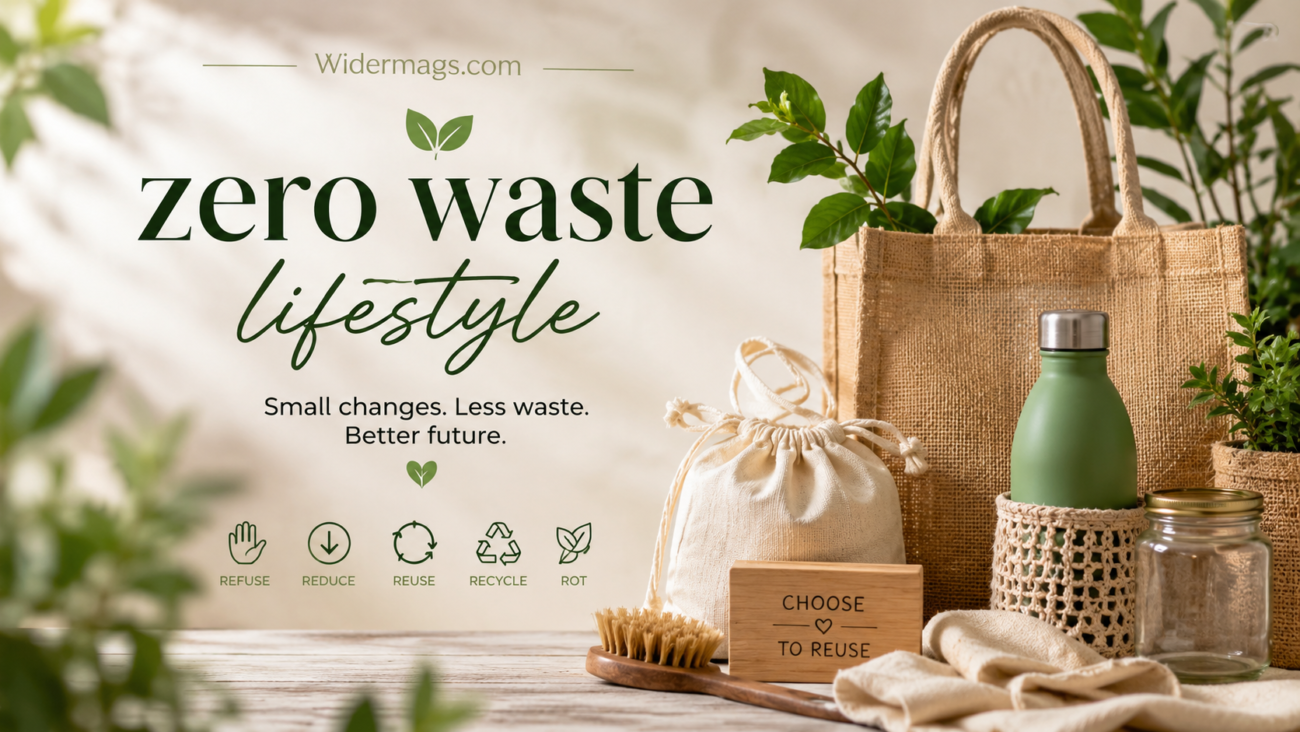
Living sustainably has become more important than ever as environmental concerns continue to grow around the world. One of the most effective ways individuals can make a positive impact is by adopting a zero waste lifestyle. While the term may sound intimidating at first, the concept is surprisingly simple. A zero waste lifestyle focuses on reducing the amount of waste we generate, reusing items whenever possible, and making mindful choices that benefit both people and the planet.
For beginners, transitioning to a zero waste lifestyle does not require perfection. Instead, it is about making gradual improvements that reduce waste and encourage sustainable habits. Whether you want to cut down on plastic consumption, save money, or reduce your environmental footprint, this guide will help you understand the principles, benefits, and practical steps involved in embracing a zero waste lifestyle.
What Is a Zero Waste Lifestyle?
A zero waste lifestyle is a way of living that aims to minimize the amount of trash sent to landfills, incinerators, and the environment. The goal is to reduce waste production by making conscious choices about what we buy, use, and discard. Rather than relying on disposable products, people who follow a zero waste lifestyle prioritize reusable, recyclable, and compostable alternatives.
The movement is based on the idea that waste is often the result of poor design and unsustainable consumption habits. By refusing unnecessary items and choosing durable products, individuals can significantly reduce their environmental impact. Although achieving absolute zero waste may not be realistic for everyone, striving toward the goal can lead to meaningful changes in daily life.
A zero waste lifestyle also encourages a shift in mindset. Instead of focusing solely on recycling, it promotes preventing waste from being created in the first place. This approach helps conserve natural resources, reduce pollution, and support a healthier planet for future generations.
Why Adopting a Zero Waste Lifestyle Matters
The importance of a zero waste lifestyle extends beyond personal benefits. Every year, millions of tons of waste end up in landfills and oceans, causing severe environmental damage. Plastic pollution threatens marine life, while overflowing landfills contribute to greenhouse gas emissions that accelerate climate change.
By reducing waste, individuals help decrease the demand for resource-intensive manufacturing processes. Producing fewer disposable products means less energy consumption, reduced carbon emissions, and lower levels of pollution. Even small actions, such as carrying a reusable water bottle or shopping bag, can collectively create a significant positive impact when adopted by large numbers of people.
Furthermore, a zero waste lifestyle promotes sustainable consumption. It encourages people to think carefully before making purchases and to invest in quality products that last longer. This mindful approach not only benefits the environment but also helps consumers save money over time by avoiding unnecessary purchases.
The Five Principles of a Zero Waste Lifestyle
One of the most widely recognized frameworks for a zero waste lifestyle is the “5 Rs.” These principles provide a practical roadmap for reducing waste and making sustainable choices.
The first principle is Refuse. This means avoiding items you do not need, such as promotional freebies, disposable utensils, and single-use plastics. Refusing unnecessary products prevents waste before it even enters your home.
The second principle is Reduce. Evaluate your consumption habits and minimize purchases that contribute to clutter and waste. Buying only what you truly need can significantly reduce your environmental footprint.
The third principle is Reuse. Choose reusable alternatives whenever possible. Reusable shopping bags, food containers, coffee cups, and water bottles help eliminate the need for disposable products.
The fourth principle is Recycle. While recycling is important, it should come after reducing and reusing. Properly sorting recyclable materials ensures they can be processed and turned into new products.
The fifth principle is Rot, which refers to composting organic waste. Food scraps and yard waste can be composted and transformed into nutrient-rich soil rather than being sent to landfills.
Together, these five principles form the foundation of a successful zero waste lifestyle.
How to Start a Zero Waste Lifestyle as a Beginner
Starting a zero waste lifestyle can feel overwhelming if you try to change everything at once. The best approach is to begin with small, manageable steps. Start by assessing your current waste habits and identifying areas where you generate the most trash.
Many beginners find that the kitchen is a good place to start. Replacing disposable items such as plastic wrap, paper towels, and single-use water bottles with reusable alternatives can dramatically reduce household waste. Shopping with reusable bags and purchasing products with minimal packaging are also effective first steps.
Another useful strategy is to focus on one habit at a time. For example, spend a month using a reusable coffee cup before moving on to another change. Gradual progress is more sustainable than attempting a complete lifestyle overhaul overnight.
Remember that perfection is not the goal. Every effort counts, and even small changes contribute to a more sustainable future.
Reducing Plastic Waste in Everyday Life
Plastic waste is one of the biggest environmental challenges facing the world today. A key component of a zero waste lifestyle involves reducing dependence on single-use plastics.
One of the easiest ways to cut plastic waste is by carrying reusable essentials. A reusable water bottle, shopping bag, food container, and metal straw can replace dozens or even hundreds of disposable items each year. These simple swaps require minimal effort yet produce substantial environmental benefits.
When shopping, look for products packaged in glass, metal, cardboard, or other recyclable materials. Buying in bulk can also reduce packaging waste. Many stores offer bulk bins where customers can fill their own containers with grains, nuts, spices, and other household staples.
Avoiding bottled water is another effective strategy. Investing in a quality water filter allows households to enjoy clean drinking water without generating plastic waste. Over time, these habits become second nature and significantly support a zero waste lifestyle.
Creating a Zero Waste Kitchen
The kitchen is often the largest source of household waste, making it an ideal place to implement sustainable changes. A zero waste kitchen focuses on reducing food waste, minimizing packaging, and replacing disposable items with reusable alternatives.
Meal planning is one of the most effective ways to reduce food waste. By planning meals in advance and shopping with a list, households can avoid overbuying and prevent food from spoiling before it is used. Proper food storage techniques also help extend the lifespan of fresh ingredients.
Reusable containers can replace disposable plastic bags and wraps. Glass jars are excellent for storing leftovers, pantry staples, and homemade products. Cloth napkins and reusable dishcloths further reduce the need for disposable paper products.
Composting food scraps is another essential practice. Fruit peels, vegetable scraps, coffee grounds, and eggshells can all be composted rather than discarded. This not only reduces landfill waste but also creates valuable compost for gardening.
Sustainable Shopping Habits for a Zero Waste Lifestyle
Shopping habits play a major role in determining how much waste we generate. A zero waste lifestyle encourages thoughtful purchasing decisions that prioritize sustainability over convenience.
Before buying something new, ask yourself whether the item is truly necessary. Impulse purchases often lead to clutter and waste. Adopting a minimalist mindset can help reduce unnecessary consumption while saving money.
When possible, choose durable products made from sustainable materials. Quality items may cost more initially, but they often last much longer than cheaper alternatives. This reduces waste and lowers long-term expenses.
Supporting local businesses and purchasing secondhand items are also excellent ways to reduce environmental impact. Thrift stores, online marketplaces, and community exchanges offer affordable alternatives to buying new products. These practices help extend the life cycle of existing items while reducing demand for new manufacturing.
The Financial Benefits of a Zero Waste Lifestyle
Many people assume that sustainable living is expensive, but a zero waste lifestyle can actually save money. While some reusable products require an upfront investment, they often eliminate recurring expenses associated with disposable items.
For example, using reusable water bottles, coffee cups, and shopping bags reduces the need for constant replacements. Buying food in bulk can lower grocery costs, while meal planning helps minimize food waste and unnecessary spending.
Repairing and maintaining items rather than replacing them also contributes to significant savings. Learning basic sewing, appliance maintenance, or furniture repair skills can extend the lifespan of household items and reduce costs.
Additionally, a zero waste lifestyle encourages mindful consumption. By purchasing fewer unnecessary products, individuals often discover that they spend less overall while enjoying a more organized and intentional way of living.
Common Challenges and How to Overcome Them
Transitioning to a zero waste lifestyle is rewarding, but it is not without challenges. One common obstacle is convenience. Disposable products are often widely available and easy to use, making sustainable alternatives seem less practical initially.
The solution is preparation. Carrying reusable items and planning ahead can help avoid situations where disposable products become necessary. Keeping a reusable shopping bag in your car or backpack is a simple yet effective habit.
Another challenge is social pressure. Friends and family may not understand your commitment to reducing waste. Rather than trying to convince everyone around you, focus on leading by example. Positive actions often inspire others more effectively than lectures.
Cost can also be a concern for some beginners. However, it is important to remember that a zero waste lifestyle is not about buying expensive eco-friendly products. In many cases, the most sustainable option is simply using what you already own until it wears out.
Long-Term Impact of Living a Zero Waste Lifestyle
The long-term benefits of a zero waste lifestyle extend far beyond reducing trash. By adopting sustainable habits, individuals contribute to environmental conservation, resource preservation, and a healthier planet. Every reusable item, composted food scrap, and mindful purchase helps reduce pressure on ecosystems and waste management systems.
Over time, many people find that a zero waste lifestyle improves their overall quality of life. It encourages intentional living, reduces clutter, and fosters a deeper appreciation for the resources we use daily. The financial savings associated with reduced consumption can also create greater financial stability.
Most importantly, living sustainably sets a positive example for future generations. Children who grow up seeing responsible consumption habits are more likely to adopt environmentally friendly behaviors themselves. As awareness continues to grow, collective efforts can lead to meaningful changes at the community, national, and global levels.
Conclusion
A zero waste lifestyle is more than just a trend—it is a practical and impactful approach to sustainable living. By focusing on reducing waste, reusing resources, recycling responsibly, and composting organic materials, individuals can make a significant difference for the environment while improving their own lives.
The journey toward zero waste does not require perfection. Small, consistent changes often produce the greatest long-term results. Whether you start by carrying a reusable water bottle, reducing plastic consumption, or composting food scraps, every step brings you closer to a more sustainable future.
As environmental challenges continue to grow, adopting a zero waste lifestyle offers a powerful way to take responsibility for our consumption habits and contribute to a cleaner, healthier world. The best time to start is today, one simple change at a time.
